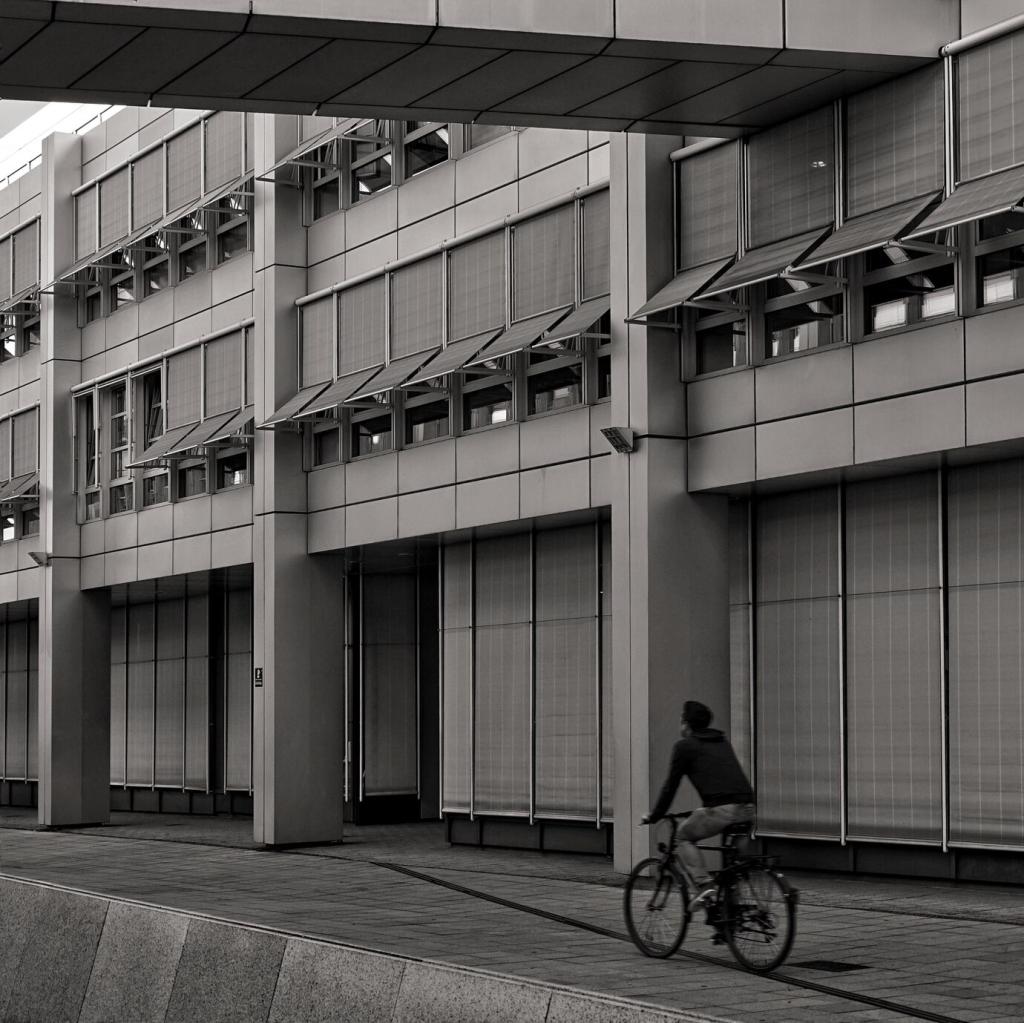
Chosen theme: Simplifying Urban Landscape Architecture. Welcome to a friendly, practical space where city landscapes become easier to design, build, and love—without losing beauty, biodiversity, or community spirit. Subscribe and join the conversation.
Plain-Language Principles for City-Friendly Spaces
Translate technical goals into everyday experiences: cooler sidewalks, safer crossings, and seats with a view. When people recognize benefits instantly, support grows, maintenance improves, and projects move faster with fewer compromises.
Plain-Language Principles for City-Friendly Spaces
Tight budgets, narrow sidewalks, and utilities are not obstacles; they are the brief. Use modular planting, shared furnishings, and resilient species to make constraints your creative engine rather than your enemy.
Pocket Parks That Work
Focus on three essentials: a welcoming entrance, a clear seating strategy, and layered planting for year-round interest. Keep edges active and visible to boost safety and invite daily use.
Edges, Not Objects
People gravitate to edges. Shape generous borders with benches, planters, and lighting rather than cluttering the middle. Strong perimeters create comfort, social mixing, and effortless navigation without expensive monuments.
Vertical Layers Without Vertical Headaches
Use climbers, wall planters, and canopy trees instead of heavy podium structures. Light, layered greenery delivers cooling, sound buffering, and visual richness with simpler engineering and easier long-term care.
Green Infrastructure Made Simple
Select hardy, salt-tolerant plants, use clear inlet stones, and design gentle slopes. Post a simple seasonal checklist on-site and online. Share your own low-maintenance plant palette in the comments.
Green Infrastructure Made Simple
Favor permeable pavers with replaceable units and visible joints over fragile, continuous surfaces. Specify sweeping and vacuum schedules, not vague intentions. Simplicity here keeps performance reliable for decades.
Community Co-Design Without Meeting Fatigue
Host short street walks and collect observations on the spot. People point, photograph, and vote with stickers. Real places spark clearer feedback than slides, reducing conflicts and speeding alignment.
Bring simple maps, markers, and story cards. Ask residents for favorite memories and future rituals: morning light, dog routes, market stalls. Stories guide layouts better than abstract diagrams.
Share a one-page summary showing what changed based on input. Close the loop quickly and publicly. Trust grows when people see their ideas reflected in the next drawing.
Maintenance as a Design Driver
Designing for the Tuesday Crew
Specify hose bib locations, cart paths, and storage points early. Consolidate planting zones and standardize hardware. Ask maintenance teams to review drawings; subscribe for our checklist template next month.
Material Palettes with Fewer Surprises
Limit materials to a short, documented set with local suppliers. Include repair methods and lead times. Predictability keeps spaces attractive and safe while preventing expensive, avoidable downtime.
Smart Irrigation, Dumber Problems
Use weather-based controllers with simple dashboards and clear labels. Pair with soil moisture thresholds and visible manual overrides. Teams should troubleshoot in minutes, not hours, even after staff turnover.
Measuring What Matters
Track shade coverage, daily dwell time, and stormwater captured. These reflect comfort, social use, and resilience. Post metrics on-site, and invite readers to share their own low-effort indicators.
Measuring What Matters
Use fixed camera points and consistent times of day. Capture seasons and special events. Visual continuity turns photos into data, clarifying impact for neighbors, funders, and decision-makers.
Permits, Codes, and Fast Paths
Create discipline-specific checklists for drainage, accessibility, and tree protection. Share them early with reviewers. Clear expectations reduce revisions, misunderstandings, and late-stage redesigns.
Permits, Codes, and Fast Paths
Develop a library of approved curb cuts, planter sections, and lighting layouts. Reusing vetted details speeds coordination and ensures maintainability across multiple small projects.
Permits, Codes, and Fast Paths
Address safety with simple, redundant systems: clear sightlines, durable edges, and non-slip surfaces. Show risk mitigation visibly in drawings to build reviewer confidence and neighborhood trust.